
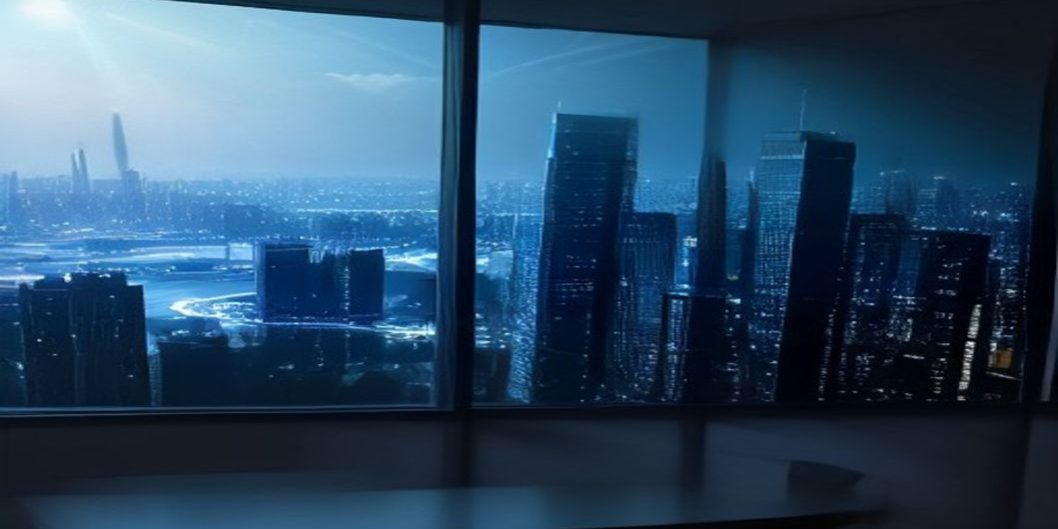
3D mapping is the transfer of a real room into an interactive three-dimensional model, which the visitor walks through in a browser, on a smartphone or in a VR headset. Over the past two years, the technology has left the “expensive toy” category and become a working marketing tool: it is ordered by developers, museums, restaurants, dentists, and private schools. At 360° Space we shoot on average 40 objects per month throughout Russia - from Kaliningrad to Vladivostok. Below we will analyze the principle of operation, timing, real cost and who such a tour really pays off for.
Why does business need a 3D tour?
Clients come to us with one of four requests: sell, show, train or document. This is what 3D mapping gives in the numbers collected from our cases for 2024–2025.
- Increase in applications by 25–40%. For a developer from Yekaterinburg, after the publication of apartment tours, applications from the website increased by 34% in a quarter - people weed out unsuitable layouts, and come to view much more warmly.
- Saving 6–8 hours per week on managers. A 600 m² restaurant in Kazan has stopped taking corporate customers around the hall - everyone watches the tour, selects a zone and makes a reservation using a link.
- Reduced returns and claims. A wedding dress salon in Nizhny Novgorod sends a tour to clients from the region - they come with a ready-made list of models, the fitting time has been halved.
- Accurate measurements in one go. The tour contains dimensions with an error of 1–2 cm, so repair and furniture contractors work without a second visit - saving up to 15,000 rubles per site.
- Documentation for insurance and Ministry of Emergency Situations. One customer, a production facility in the Moscow region, rented a warehouse after reconstruction in order to record the condition of the equipment and the layout of emergency exits.
How it works
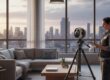
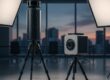
Technically, 3D mapping is a combination of laser scanning and panoramic photography. The camera (we work with Matterport Pro3, Insta360 Pro and BLK360) is placed on a tripod, takes a 360° panorama in one cycle and simultaneously measures distances to all surfaces. The operator moves the camera every 1.5–2 meters so that neighboring points overlap - otherwise the algorithm does not stitch the point cloud together.
Average time frames for our projects:
- Apartment 60 m² - 1.5 hours of shooting, tour in 2 days.
- Restaurant 300 m² - 3–4 hours, tour after 3 days.
- Hotel with 40 rooms - 2 check-out days, finished project in 5-7 days.
- Industrial workshop 2,000 m² - 3 days of shooting, up to two weeks for post-processing.
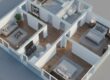
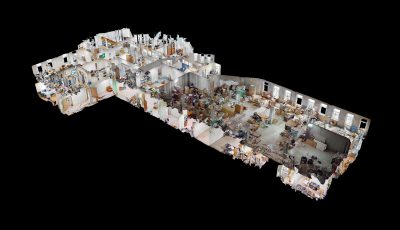
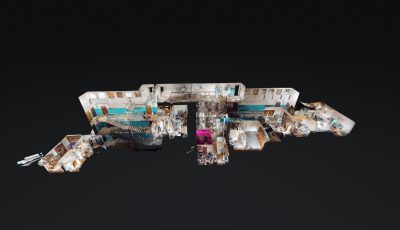
After shooting, the data goes into cloud processing, where a polygonal model, a dollhouse view (a dollhouse - section from above), a floor diagram and the tour itself with navigation points are formed. Next we add tags: descriptions, videos, links to price lists, booking buttons. At the final stage, we choose a hosting format—we have three of them: 360° Space cloud with technical support, deployment on the customer’s server, or a standalone offline version for PCs and VR headsets. The latter option is often requested for exhibitions - in May we were asked to do an offline assembly for a stand at the Expo Center, the tour worked from a flash drive without the Internet for three days in a row.
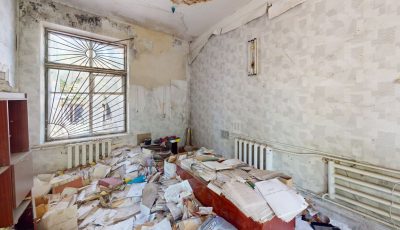
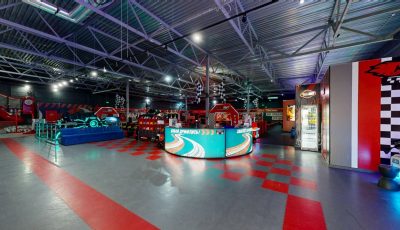
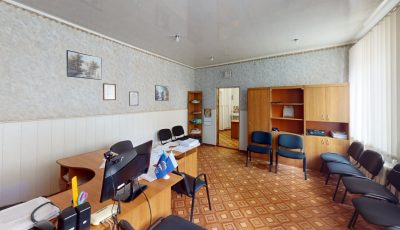
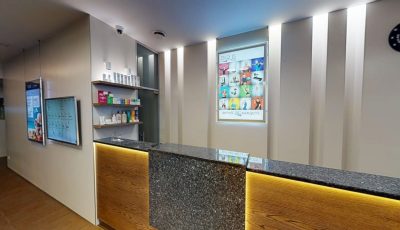
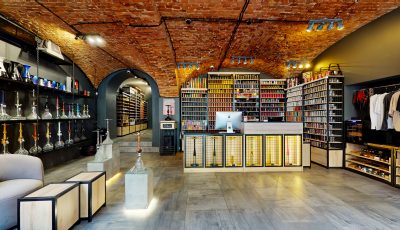
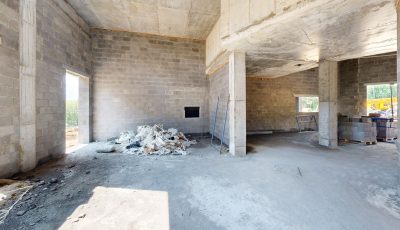
Ready-made examples are below, all tours are clickable.
How much does it cost
The price is made up of three components: area, complexity of the object and delivery format. Guidelines for our tariffs for 2026:
- Apartment or office up to 100 m² - from 15,000 ₽.
- Restaurant, showroom, clinic 200–500 m² - from 35,000 ₽.
- Hotel, production, museum from 1,000 m² - according to individual calculation, usually from 90,000 ₽.
- Offline assembly for a VR headset or exhibition - plus 20–40% to the base cost.
Compared to foreign services, our rates are cheaper - especially over a long distance, because we do not charge a fixed monthly fee for placement, but provide three flexible formats to choose from. It is convenient to calculate the exact figure for your object in calculator — it takes into account the area, number of floors and whether travel to the region is needed.
The question we hear most often is: “Won’t the tour become obsolete in a year?” The model is stored in any of the three formats as long as needed - updating is required only if you repainted the walls or rearranged the furniture. One client, a chain of barbershops in St. Petersburg, had a tour filmed in 2022 and is still bringing in requests.
Frequently asked questions
How is 3D mapping different from regular 360° panoramas?
A panorama is a flat spherical photograph taken from one point. 3D mapping adds laser measurements and links dozens of points into a walkable model with dimensions, dollhouse view and floor plan. You cannot measure a wall using a panorama, but using a 3D tour you can with an error of 1–2 cm.
Do I need to prepare the room for filming?
Minimum: remove unnecessary things, turn on all the lights, cover personal documents and price tags if we are renting a store. People are not included in the frame - the camera shoots a circular panorama, while the operator moves away. From experience, preparation takes 20–40 minutes.
Where will the finished tour be stored?
There are three formats to choose from: the 360° Space cloud with technical support and fast servers, your own server (we transmit the assembly and instructions) or an offline version for PC and VR headset without the Internet. The format can be changed later - the data remains with you.
Order a 3D tour for your property
Leave your contact — we'll respond within 30 minutes and calculate the cost